

From Counting Calories to Counting Nutrients: How Healthy Eating Is Changing
Updated: Aug 19

Key takeaways
Calories are only part of the picture; the nutritional quality of a meal matters too.
Protein is becoming an everyday priority, extending beyond fitness and sports nutrition.
Fiber is gaining attention as consumers become more aware of digestive health.
Consumers increasingly want food that combines taste, convenience, and nutritional value.
Familiar staple foods are evolving as people look for more nutrition in everyday meals.
For many years, healthy eating was closely associated with one number: calories.
Food labels highlighted calorie counts, while diet plans often focused on daily calorie targets. Today, consumers are looking at food from a wider perspective, with growing interest in protein, fiber, ingredients and overall nutritional quality.
Calories Are Only Part of the Picture
A 400-calorie meal made with vegetables, protein and whole grains can offer a very different nutritional profile from a 400-calorie meal made mostly from sugary or highly processed foods.
The calorie count may look similar on paper. The nutrients, ingredients and role the food plays in a balanced diet can be very different.
This is why more consumers are asking:
What am I actually getting from the food I eat?
Protein and Fiber Take Centre Stage
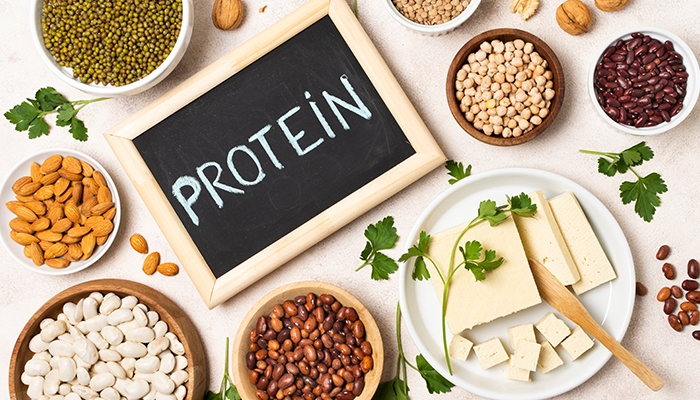
Protein has become a major focus in everyday nutrition. Once strongly associated with fitness and sports nutrition, it is now appearing across a much wider range of everyday foods.
Fiber is gaining attention too, particularly for its role in digestive health.
Together, they reflect a growing interest in foods that offer meaningful nutritional value as part of everyday meals.
What Does This Mean for Noodles?
Noodles are a staple across Asia. They're convenient, versatile and part of countless everyday meals.
As nutrition priorities evolve, consumers are looking more closely at the nutritional contribution of familiar staple foods.
Can a noodle offer more than taste and convenience?
That's where food innovation comes in.
Nutrition at a Glance
Per 100g | W0W ProTEGO |
Protein | 32g |
Fiber | 13g |
Carbs | 27g |
Calories | 331 kcal |
W0W ProTEGO brings protein and fiber into a familiar food format, giving consumers another way to add nutritional value to an everyday meal.
Looking Ahead
Healthy eating is becoming a broader conversation. Calories still matter, but protein, fiber, ingredients and overall dietary quality are becoming increasingly important.
For everyday staples like noodles, this opens up an exciting opportunity:
What if the foods we already love could offer more?




Comments